At a time when physical rehabilitation is seeking innovative strategies to improve patient outcomes, balance board therapy is emerging as a key method. This unique approach to rehabilitation not only engages proprioceptive abilities and core strength but also the mind, making recovery dynamic and interactive. With the advent of versatile tools like ToyBoard , patients from all walks of life are rediscovering the enjoyment and effectiveness of balance-focused therapy. This article explores the multiple benefits of balance boards in physiotherapy, supported by scientific evidence and illustrated with practical applications.
Understanding balance boards
Balance boards are dynamic platforms designed for exercise and rehabilitation, offering an unstable surface to challenge balance and body coordination. Originating from the worlds of surfing and skateboarding, these tools have become essential in physiotherapy, sports training, and general fitness. By simultaneously engaging multiple muscle groups, balance boards promote proprioceptive training, improve core stability, and enhance motor coordination.
The science behind balance board therapy
At the heart of balance board therapy lies the concept of neuromuscular re-education —the ability to strengthen communication between the brain and muscles. Studies show that balance training can significantly reduce the risk of falls in older adults, accelerate recovery from injury, and help manage certain neurological disorders. Maintaining balance on a moving surface requires constant sensory input and continuous motor adjustments, which strengthens the neural pathways essential for physical movement.
Applications in physiotherapy
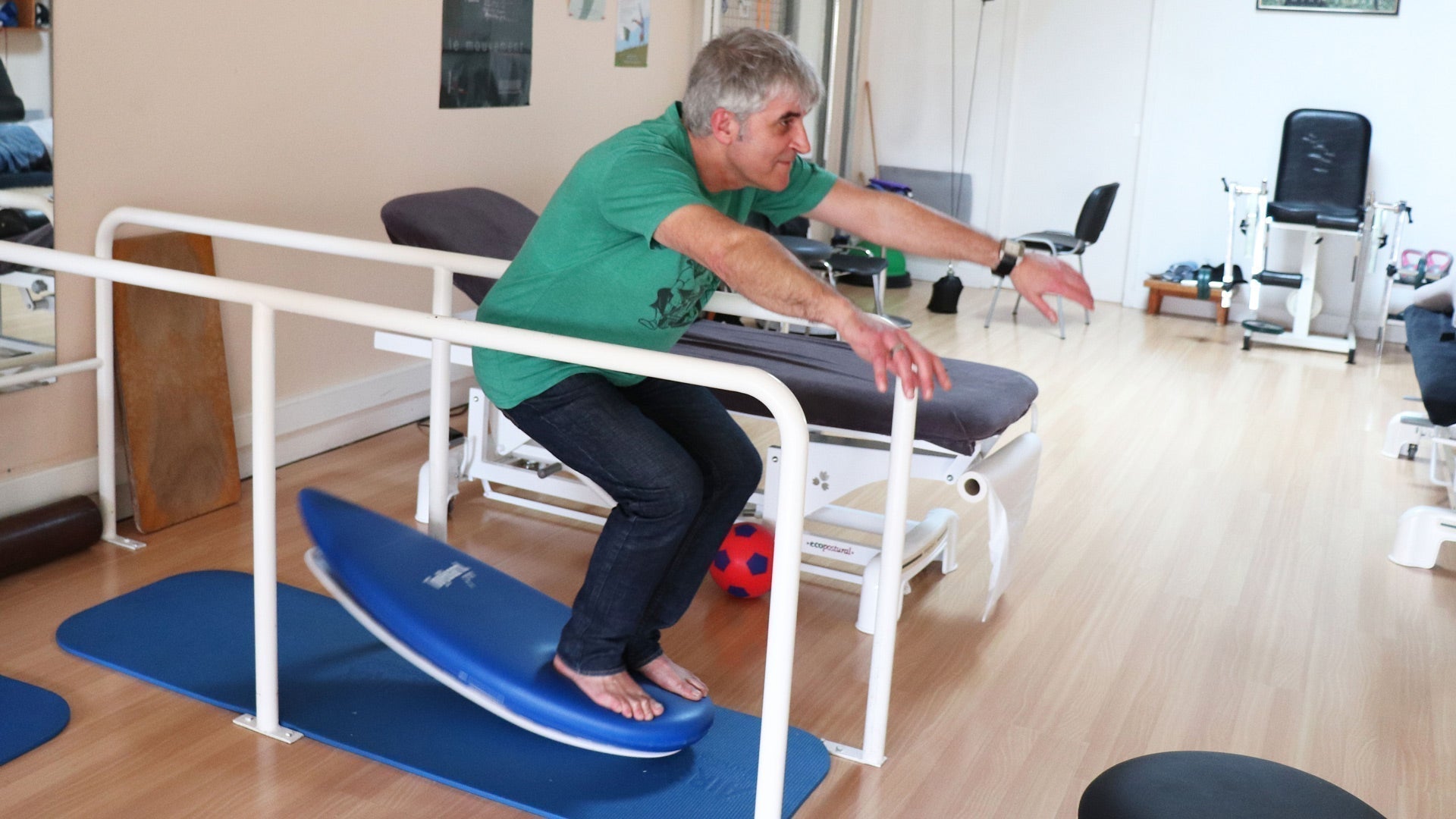
Balance boards are essential for rehabilitation in a wide variety of conditions. For patients who have undergone knee surgery , they help regain stability and strength. In recovery from sports injuries , they accelerate the return to pre-injury levels of coordination and agility. Furthermore, balance boards are a preventative measure against falls in the elderly, improving their quality of life and independence.

Incorporating balance boards into therapy routines
The versatility of balance boards allows them to be integrated into numerous therapeutic exercises, ranging from simple balance tasks to more complex movement-based routines. Key points for therapists include selecting the appropriate type of board, adapting exercises to the patient's abilities, and progressively adjusting the level of difficulty based on rehabilitation progress.
ToyBoard: a revolution in physical therapy with a balance board
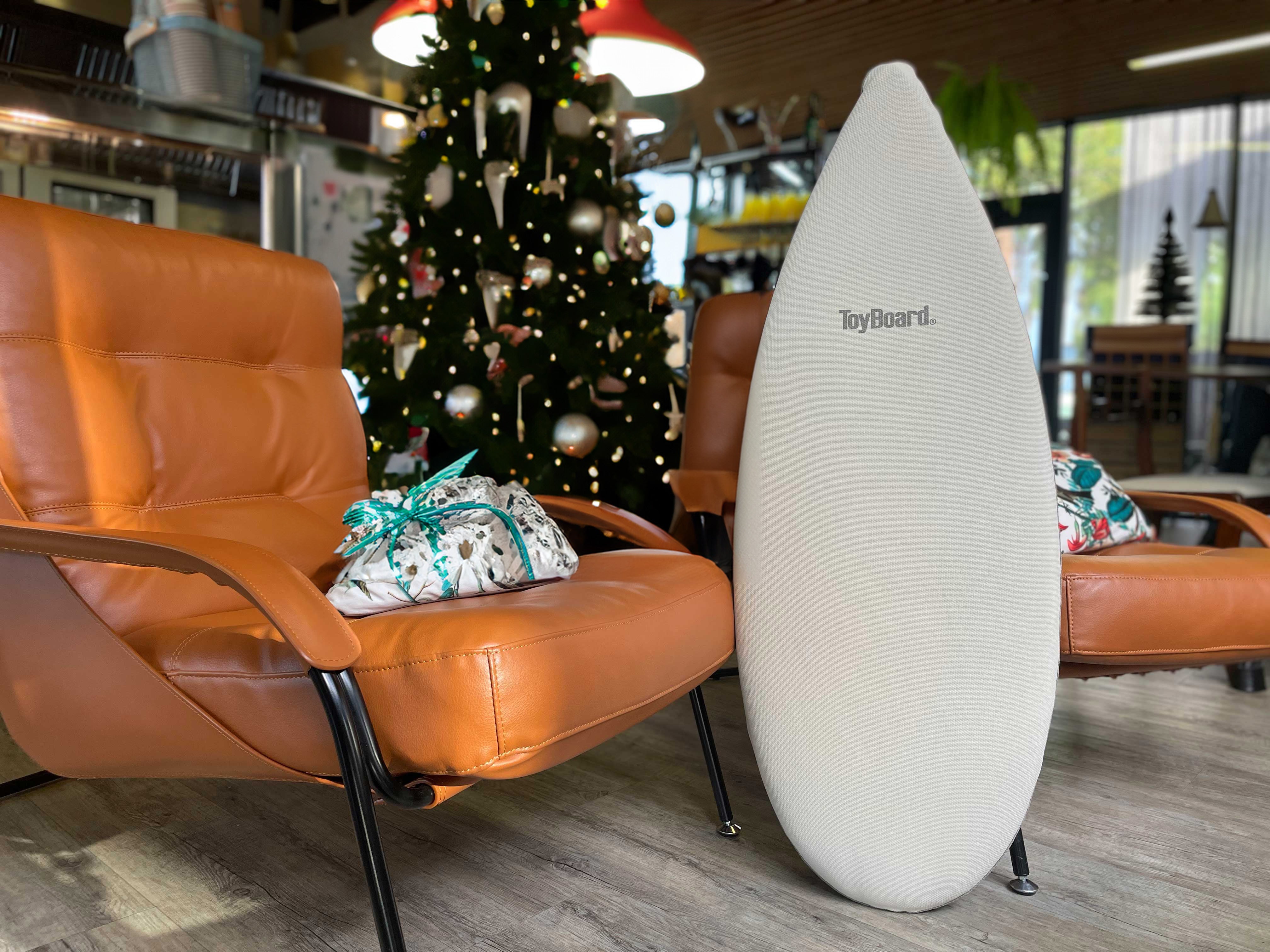
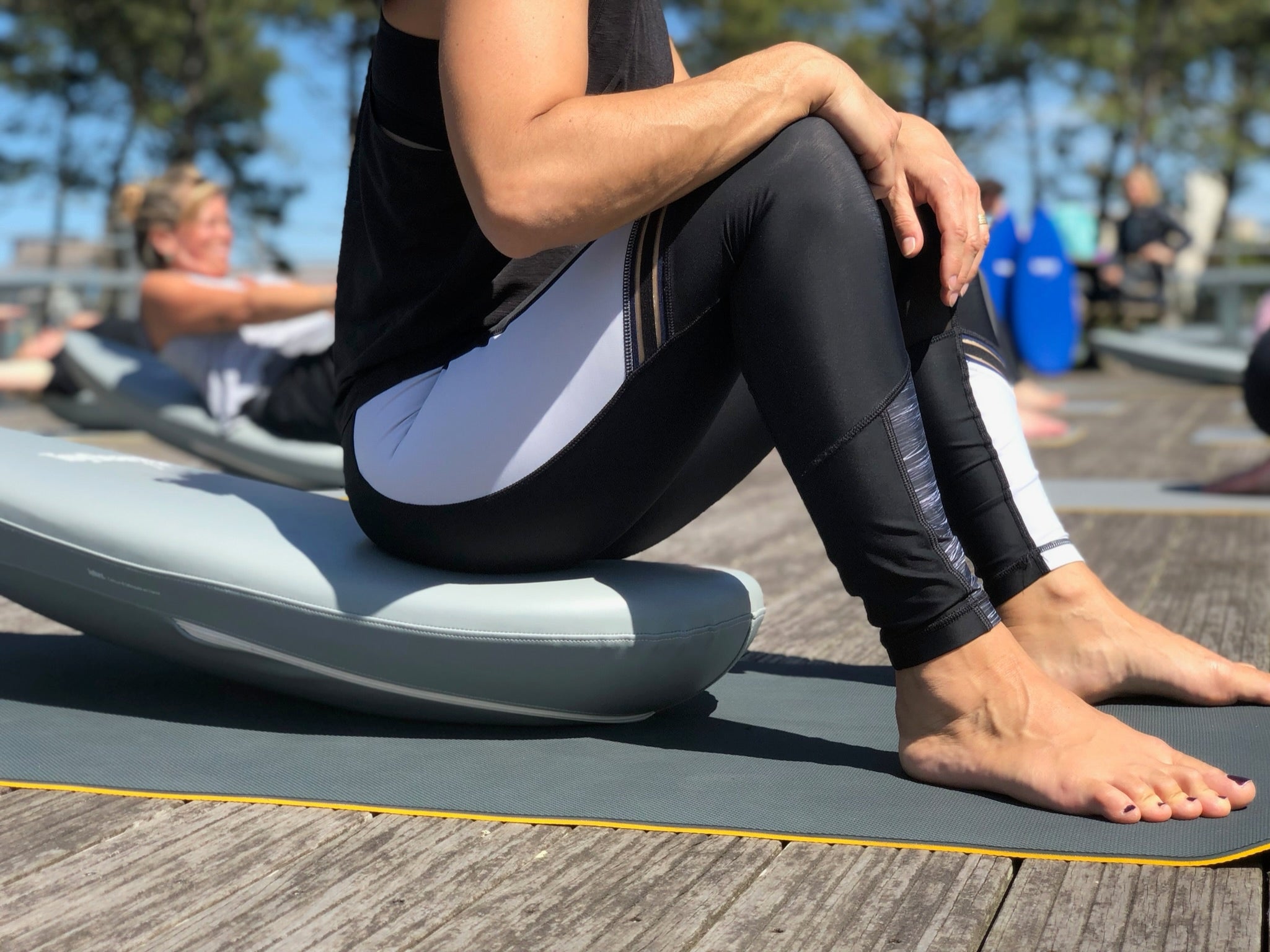
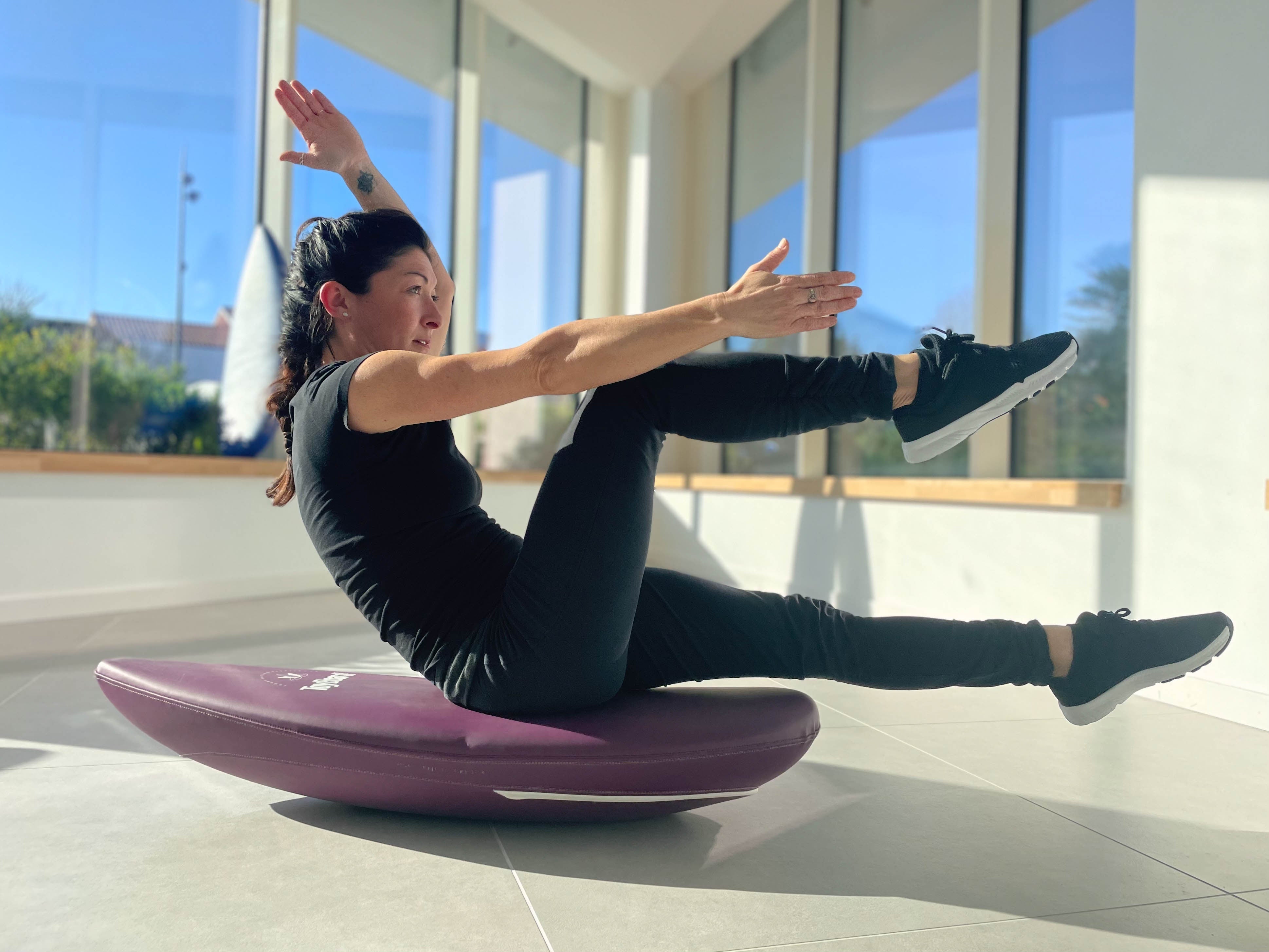
ToyBoard elevates the concept of balance board therapy with an eco-friendly and highly versatile product designed specifically for physical rehabilitation. Its unique shape and material make it suitable for a wide range of users, from children to seniors, ensuring safety and effectiveness. Integrating ToyBoard into therapy sessions allows practitioners to offer a differentiated, enjoyable experience aligned with modern rehabilitation goals.
Beyond the clinic: the future of balance board therapy
The future of this therapy lies in its adaptability and integration with technology. Home-based rehabilitation programs are increasingly incorporating balance boards, supported by virtual guides and telehealth consultations. Furthermore, emerging technologies like virtual reality promise to make balance training even more engaging, integrating it into daily wellness routines.
Conclusion
Physical therapy with a balance board represents a bridge between traditional rehabilitation techniques and the future of patient-centered care. By focusing on balance, coordination, and strength, this approach offers a comprehensive pathway to recovery and well-being. As the medical community embraces innovative tools like ToyBoard, patients can expect more enjoyable, effective, and personalized rehabilitation experiences.
-----
FAQ
Q: How often should balance board therapy be practiced?
A: The frequency of exercises should be adapted to each individual's needs. Generally, this varies from daily sessions at home to several sessions per week under professional supervision.
Q: Are there any contraindications to balance board therapy?
A: Although this therapy is largely beneficial, people with certain conditions (e.g., severe balance deficits, vertigo) should consult a healthcare professional before starting.
Q: Can balance boards be used for fitness outside of rehabilitation?
A: Absolutely! In addition to physiotherapy, balance boards like ToyBoard are excellent tools for general fitness, improving core strength, coordination, and proprioception.